The Ornish's Lifestyle Choice Diet Review
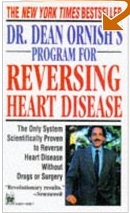
The Life Choice Diet at first was published by
Dr. Dean Ornish M.D., in book, "Program for
Reversing Heart Disease". The diet aimed to reverse heart disease and
was part of a scientifically proven lifestyle improvement
program.
Dean Ornish, a cardiologist, is a Clinical Professor
of Medicine at the University of California, San Francisco. He is also the president and
director of Preventive Medicine Research Institute, a non-profit
research facility studying the connection between lifestyle behaviors
and the prevention/treatment of heart disease and other chronic
conditions.
The Ornish Lifestyle Modification Program is the based on:
-
a
very low-fat, high complex carbohydrate diet rich in fruits,
vegetables, whole grains, beans and legumes
-
regular exercise,
-
stress management
-
Family/community support systems to maintain desired healthy behaviors.
|
The diet emphasize very low in fat and yet filling foods, including high-fiber grains and legumes (
beans and peas).
Consuming of non-fat dairy foods and processed or refined foods in moderation is allowed.
Dr. Ornish presents two diets: the Reversal Diet and the Prevention Diet.
The Reversal Diet is for people with known heart disease and are aimed to reverse its effects
and lower their heart attack risk.
For people who do not have heart disease the Prevention Diet
is the recommended one. The diet might assist to Individuals with
cholesterol levels above 150, or with a ratio of total cholesterol to
high-density lipoprotein (HDL or "good" cholesterol) that is less than
3.0.
Reversal and Prevention Diets are vegetarian diets.
The diet supplies only 10% of the calories from fat –
it's about 15 to 25 grams of fat per day. It excludes
cholesterol and saturated fat, including all animal products (except
egg whites and nonfat dairy products), nuts, seeds, avocados,
chocolate, olives, and coconuts.
The only allowed oil is a small amount of canola
oil for cooking, and oil that supplies omega-3 essential fatty acids.
By The Ornish's Diet caffeine is prohibited, but a moderate
intake of alcohol, sugar, and salt is allowed. As long as the diet is
confined within the recommended foods there is no restriction on
calorie intake.
The theory behind the Diet
According to Ornishe's diet consuming of nutrient-dense, fiber-rich
plant foods are recommended as they may result in a significant
reduction in the intake of calories, saturated/Trans fats and dietary
cholesterol to promote weight loss and improve cardiovascular health.
It is essential to eat 3 meals and 1-2 snacks daily
as it helps regulate blood sugar and insulin while lowering serum
cholesterol levels.
Weight Loss promise
Ornish doesn't define expected rate of weight loss. Instead, gradual
weight reduction through eating high fiber, lower caloric density foods
is expected. Daily exercise on a regular basis, positive social support
and stress management assist the dieter in achieving the desired
weight. On the other hand, research study findings, indicate that the
Ornish's diet can prevent cardiovascular disease, especially
by lowering blood cholesterol levels.
Foods in Ornish's diet
As the diet is a vegetarian one, it's based on whole fruits,
vegetables, whole grains (pasta, rice, breads and cereals); dried beans
and legumes including soy and small amounts of lean poultry, fish, egg
whites meats and nonfat dairy. Plant oils may be used sparingly. Processed and high fat
foods, sweets and caffeinated beverages, Alcohol and salt can be
consumed in moderation.
Animal fats, red meat and butter should be avoided by the dieter during the diet regimen.
The Ornish's Life Choice Diet Sample Menu:
The Life Choice Menus do not define Portion sizes.
Therefore, for analysis purposes typical weight reducing portions were selected.
Breakfast:
|
1 cup Bite-size shredded wheat cereal
1 cup nonfat plain yogurt
1 cup fresh strawberries
decaffeinated coffee
|
Lunch:
Stuffed Potato:
|
1 large baked potato with skin
3/4 cup fresh broccoli, steamed
½ cup garbanzo beans
¼ cup nonfat lemon herb dressing
|
Salad:
|
2 cups Romaine lettuce
medium tomato
2 tablespoons nonfat French dressing
1 large apple
|
Dinner:
Brochette:
|
5 melba toast
5 sun-dried tomatoes
1 tablespoon capers
|
Linguine with tofu and vegetables:
|
1 cup whole wheat spaghetti
1 medium red bell pepper
1 cup Swiss Chard
3 oz tofu
2 teaspoons olive oil
|
Asparagus with pepper:
|
1 cup steamed asparagus
1 lemon wedge
1/4 cup chopped red bell pepper
2 tablespoons nonfat Italian dressing
1 tablespoon capers
|
Salad:
|
2 cups mixed field greens
1/4 cup raw tomato
2 tablespoons nonfat French dressing
|
Spiced Peaches:
|
1 cup cooked peaches w/ cinnamon & 2 tablespoons red wine
|
Analysis of Sample Menu:*
|
Calories: 1957
Protein: 73 gr - 15% calories
Total fat: 23 gr - 10% calories
Carbohydrate: 380 gr - 77% calories
Saturated fat: 4 gr
Cholesterol: 4 mg
Sodium: 2974 mg
Fiber: 54 gr
|
*Per University of Minnesota Nutrient Data System Analysis
Annotations:
possible nutritional problems:
Possible
essential fatty acid deficiency considering the very low dietary fat
restriction.
Possible
gastrointestinal distress such as diarrhea due to the high fiber
content of the Life Choice Diet.
Increased
risk of osteoporosis due to inadequate calcium and vitamin D intake.
|
Restrictions
on plant oils, nuts and fatty fish, foods known to be Cardio protective
by many health experts, are contrary to USDA 2005 Dietary Guideline
recommendations.
High
volume of fiber-rich foods (fiber content of Ornish's diet is nearly
twice that recommended by the USDA Food Guide Pyramid) may cause
gastrointestinal distress and decreased nutrient absorption in the gut.
Avoidance
of sugar, salt and fat may be unpalatable for some dieters.
Focus on a very low-fat vegetarian diet can be an
ongoing challenge for Americans who have little time to cook, travel
often for business or dine out socially.
|
More about the Ornishe's life choise diet:
webmd.com/diet/ornish-diet-what-it-is
en.wikipedia.org/wiki/Ornish_Diet
dietsinreview.com/diets/Ornish_Diet/
newsweek.com/id/146641
feinberg.northwestern.edu/nutrition/factsheets/dean-ornish-diet.html
cyberparent.com/gran/ornishmddietheartdisease.htm
medicinenet.com/script/main/art.asp?articlekey=47141
amazon.com/Eat-More-Weigh-Less-Abundantly/dp/0060959576
holisticonline.com/Remedies/weight/weight_diet-ornish-diet.htm
answers.com/topic/ornish-diet
What You are Waiting For? All You Have To Lose Is Your Weight!
And See How Much You Gain ...
|