The Macrobiotic Diet Review
The Macrobiotic (Greek, means
“long life”) Diet was developed by a Japanese
educator George Ohsawa. For its own, it's now popular
according to Japanese philosophy believed in simplicity as key to
improved health.
Ohasawa's diet plan
was based on 10 progressively restrictive stages. The last stage of the
diet recommended by Ohasawa includes only brown rice and water. Diet is
no more recommended by nutrition and macrobiotic diet counselors
because of its extreme restrictions.
The diet became popular thanks
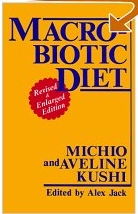
to Michio Kushi which improved Ohasava's macrobiotic theory and in 1978 even established
Kushi institute in Boston and published many books about the subject.
Macrobiotic Diet Popularity Reason
Its not
simple to explain the Popularity of the Diet. It's common to
think that the main reason of the popularity of The Macrobiotic Diet is
in the nature of the diet as it is integrating powerful elements as
physical, spiritual, and planetary health. Dieters with the same philosophy
are the most common fans of this diet.
The macrobiotic
diet is based on a low-fat, high fiber containing food. Mainly it is a
vegetarian diet, emphasizing whole grains and vegetables. Additionally,
the macrobiotic diet as vegetarian diet is rich in Phytoestrogens
(hormone like organic compounds) from soy products.
Nowadays, low fat and high fiber diets are highly recommended to those who suffer from a cancer
or other chronic diseases and it is successfully used by people with these serious health conditions.
Theory behind the Diet
Since the
Phytoestrogen has protective effect it might reduce the risk of
estrogen-related cancers like breast cancer. To make it clear, there is
more research needed about how Macrobiotic diet can assist in cancer
prevention and treatment.
People with serious illnesses as cancer or
AIDS are always looking for another way to assist in their fight with
the disease. According to the rumors, proper nutrition and diet might
help in cure of the disease but there is not such kind of results
published with any successful diet.
Macrobiotic Diet Menu
The Macrobiotic
diet is based on natural vegetarian foods. As such it widely utilizes
grains, vegetables, fruits, beans, seeds nuts, some sea food in various
forms of raw or cooked and boiled.
50-60%
of each meal includes whole grains like: brown rice, whole wheat
berries, barley, millet, rye, corn, buckwheat, and others. Occasionally
the other baked products like: bread, baked goods, pasta, rolled oats,
noodles bread and other flour products can be consumed too. During such restrictive diet it's
required to have enough amounts of fluids and 1-2 cups or bowls of soup
per day has to be consumed.
Fermented soybeans based products as Miso and shoyu are commonly used. 25-30%
of daily food intake has to be vegetables. Raw vegetables can be up to
one-third of the total vegetable intake. Otherwise, vegetables should
be steamed, boiled, baked, and sautéed. 10%
of daily food intake could be a cooked Beans or bean products such as
tofu, tempeh, and natto. To ensure the intake of necessary minerals and
vitamins small amount of fish or seafood several times per week has to
be consumed .The dieter has to avoid meat, poultry, eggs, and dairy
products.
In order to help the body detoxify from the effects of fish and seafood
wasabi, horseradish, ginger, grated daikon or mustard has to be
include in menu. Seeds
and nuts can be lightly roasted and salted with sea salt or shoyu. Several
times a week Local Fruit as apples, pears, peaches, apricots, grapes,
berries, melons, and other fruit has to be consumed. Tropical fruit
such as mango, pineapple, papaya should be avoided. In
moderation, 2-3 times per week, dieters with perfect health condition,
can enjoy the desserts. Naturally sweet foods such as apples, squashes,
adzuki beans, and dried fruit had to be consumed to prevent lack of
sugars. Natural sweeteners such as rice syrup, barley malt, and amazake
might be used too. The dieter has to avoid sugar, honey, molasses,
chocolate, carob, and other sweeteners during the whole diet regimen. As
oil its recommended usage of unrefined vegetable oil, as most common,
dark sesame oil. Other recommended oils are light sesame oil, corn oil,
and mustard seed oil. Condiments
and commonly used seasonings as natural sea salt, shoyu, brown rice
vinegar, umeboshi vinegar, umeboshi plums, grated ginger root,
fermented pickles, gomashio (roasted sesame seeds), roasted seaweed,
and sliced scallions.
|
The Macrobiotic diet Pro's and Con's
The diet utilizes the foods that usually are absent in the North American
diet -- fiber-rich whole grains, vegetables, and beans. Those foods
content is low in saturated fast and high in Phytoestrogens.
Phytoestrogens might help to balance the women's hormones and help with
menopause, premenstrual syndrome, and prevention against breast cancer
and endometriosis.
Furthermore, The Macrobiotic Diet is low in meat, dairy products, and sugar.
The Macrobiotic Diet is considered to be too restrictive. To avoid a
lack of necessary nutrients, such as protein, vitamin B12, iron,
magnesium, and calcium there is a need to balance with dietary
supplements and vitamins.
Inadequate protein content may result in a lack of energy, tiredness or sleepiness.
More about the Macrobiotic Diet:
altmedicine.about.com/od/popularhealthdiets/a/Macrobiotic.htm
en.wikipedia.org/wiki/Macrobiotic_diet
macrobiotics.co.uk/foodlist.htm
macrobiotics.co.uk
macrobioticcooking.com
cancerhelp.org.uk/help/default.asp?page=31039
amazon.com/Macrobiotic-Diet-Michio-Kushi/dp/087040878X
everydiet.org/diet/macrobiotic-diet
epigee.org/fitness/macro_diet.html
webmd.com/diet/features/macrobiotic-diet
What You are Waiting For? All You Have To Lose Is Your Weight!
And See How Much You Gain ...
|